What Happens at Age 58 Under EPF and EPS?
The members of the Employees' Provident Fund Organisation in India become eligible for a
pension after
58. So it is important to lead with retirement decisions to ensure financial stability after your working
years. This is what the decisions can be for:
- Fully withdrawing the EPF corpus
- Initiating the monthly EPS pension
- Settling the retirement benefits
- Option to continue working (if employed)
The EPF provides a lump sum of retirement savings and interest that the member collects over
the years by
contributing. EPS provides a monthly income via pensions that covers daily life expenses. When used
correctly, EPS and EPF can create a benefit structure to combine instant withdrawn funds and long-term
income security.
Understanding EPF and EPS Roles After Retirement
EPF and EPS cover different parts of retirement, but their purpose is complementary.
Component
Nature of Benefit
Payable After 58
EPF
Lump-sum savings
Fully withdrawable
EPS
Monthly pension
Starts at retirement
Employer Contribution
Split between EPF & EPS
Pension eligibility continues
Employee Contribution
Goes fully to EPF
Paid as corpus
Eligibility for EPS Pension After 58
The members need to meet a specific eligibility criterion to be able to receive a pension
under the EPS after
reaching 58 years. The criteria include:
- Should complete at least 10 years of service under the scheme
- Should serve under an EPF- and EPS covered organisation.
- The member should submit the pension claim using the form 10D
- Should have updated exit details in EPFO records
The pension is not approved if the period of service is under 10 years, but the employee can
withdraw their
corpus as a lump sum. This makes the 10-year requirement important, as it decides if the member qualifies
for lifelong pension income or only a lump-sum settlement.
Note: The tenure does not need to be under a single employer, the combined total tenure of 10
years under all
EPS registered employers makes you eligible.
How EPF Withdrawal Works After 58
After the member retires, under the EPF rules, the member is allowed to fully withdraw their
accumulated
balance without the restrictions that were applicable during employment. Some retirees choose not to
withdraw immediately after retiring, as it increases the interest build up.
- The member can withdraw their entire EPF balance, including their own, their employer's and the
interest amount.
- The withdrawal can be made using Form 19.
- The funds are credited directly to the member's bank account digitally to ensure there are no
discrepancies.
- The members can choose to defer withdrawal if they are working after the eligible age.
EPS Pension Calculation After 58
EPS Pension is calculated using a statutory formula that is designed to link the benefits of
to both salary
levels and service duration.
Monthly Pension = (Pensionable Salary × Pensionable Service) ÷
70
Where:
- Pensionable Salary = Average salary of last 60 months (subject to wage ceiling)
- Pensionable Service = Total years of eligible service
Early Pension vs Pension After 58
Under EPS, the members are also eligible for an early pension starting at the age of 50, but
this reduces the
benefits of the pension in the long run. The members can choose early withdrawal to get the lump sum amount
to deal with emergencies, but waiting until 58 can provide unreduced pension payments. So it is important
for the member to weigh their options before choosing the pension or lump sum withdrawal.
Option
Age
Benefit Impact
Early Pension
50-57
Reduces the amount of the monthly pension
Normal Pension
58+
Full pension entitlement
What If You Continue Working After 58?
Some employees can choose to work after the age of 58, in the private sector or consultancy
roles and in
those cases:
- The EPS contributions stop after pension eligibility is reached.
- EPF contributions can continue based on eligibility and terms.
- Pension can be deferred up to age 60 for increased benefits (as permitted under scheme
provisions).
Steps to Claim Pension After 58
The members need to follow a procedure to activate their service and get the pension income.
Once processed
and approved, the pension is sent directly to the bank account on a monthly basis.
- Update the exit information in the EPFO records.
- Check Aadhaar, bank, and KYC details to ensure the details are accurate and verified.
- The member then needs to submit Form 10D for the pension claim.
- If there is service continuity, a Scheme Certificate is required.
- The member can track the claim status through the EPFO portal.
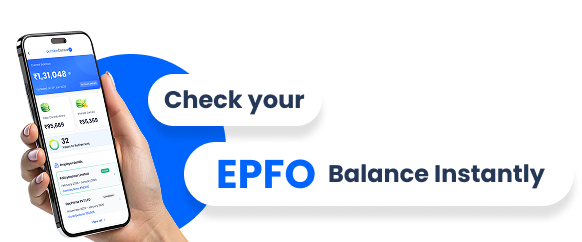
EPF Balance Check - Quick Access
It is important for the active members to update their EPFO contact details and KYC to help
track the
provident fund savings. The members can check their PF balance using the following official and approved
methods of the EPFO:
- UAN Member Portal: You can log in with your UAN and password to check your PF balance and member
passbook.
- UMANG App: You can download the government UMANG mobile app and access the EPFO services.
- Missed Call Service: You can give a missed call to 9966044425 from your registered mobile number to
check your PF balance via SMS.
- SMS Service: You need to send an SMS with the text "EPFOHO UAN ENG" to 7738299899 to get
your EPFO balance details.
- Check via PensionBazaar: You can also check your EPF balance by navigating to the EPF balance section,
filling in the required details, and verifying it with the OTP.
Documents Required to Claim EPF and EPS Benefits
It is important to ensure the documentation is accurate for timely pension and fund release;
it also reduces
the chances of rejection or delays caused by checks during verification. Here are the documents the members
are required to prepare in advance:
- Aadhaar details should be linked with UAN
- Bank account details
- PAN card details (if required)
- Pension claim form (Form 10D)
- EPF withdrawal form (Form 19)
- Photographs and ID proof
- Scheme Certificate (if issued earlier)
Tax Implications After 58
The taxation rules are different between the EPF and EPS
-
EPF Withdrawal
The withdrawal is tax-free if the service exceeds 5 consecutive years.
-
EPS Pension
Pension from EPS is categorised as taxable income under applicable income tax rules.
Benefits of Receiving EPF and EPS After 58
It is important for the member to know the benefits provided by each service to determine
which one is more
suited to their needs and plan. Below is a list of some benefits of EPS and EPF:
- Both provide financial independence after retirement.
- EPF allows lump sum withdrawal, while EPS offers a consistent monthly income
- Both services are backed by the government and provide social security.
- EPS provides a survivor's pension to the member's family in case they pass away.
- Both services provide structured retirement planning to the members.
Common Mistakes to Avoid at Retirement
The members can make a few mistakes when applying for EPS or EPF, but planning ahead and
checking the
documents can help them avoid delays in processing or even save them from a possible rejection. Below are a
few common mistakes to avoid:
- Not updating the exit date properly
- Having multiple UANs and not merging them
- Not getting a scheme certificate if the contributions continue even after leaving the organisation.
- Providing wrong bank details.
- Withdrawing the PF corpus before reaching pension eligibility.
Conclusion
It is important for the retirees to understand how the EPF pension after 58 is obtained and
how it works to
make suitable financial decisions after retirement. EPF offers a lump sum corpus that is collected over the
years, and EPS provides a monthly income through pensions that ensure financial stability after retirement.
The member is required to complete the minimum service period and file proper claims to get their benefits
on time. Awareness of the EPF and EPS rules and functions can help the retirees remain financially stable
long after their working years.



 Edit
Edit


 09 Sep 2026