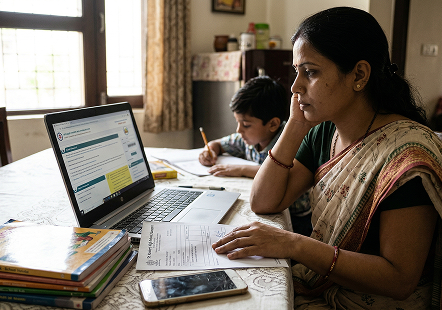
What this really means is that a rejected EPF claim is usually fixable. Understanding the exact
reason behind the rejection helps you correct the issue quickly and resubmit without unnecessary back and forth.
Once you know what to check and how to fix it, you can avoid delays and ensure your claim gets approved
smoothly.
When Can Employees File an EPF Claim?
Employees are allowed to claim their EPFs under particular circumstances that are set out by the Employees
Provident Fund Organisation. The member portal of the EPFO allows submitting the claims online with the
activation of a UAN and the identification of KYC. Employees can make claims against EPF under the following
circumstances:
- Unemployment: The employees may draw 75% of the EPF balance after a month of unemployment. The rest 25%
will be available after two months.
- Remirement: Full EPF withdrawal can be made during the post-retirement.
- Partial Withdrawals: Allowed in case of medical treatment, house purchase, studies, and marriage costs.
- Online Claims: Aadhaar and bank verification are both allowed to submit claims online on the portal of
EPFO.
- Tax Implications: Before five years of continuous service, withdrawal can be subject to tax and TDS.
Common Reasons Why EPF Claims Get Rejected
EPFO reviews each claim carefully. Even minor errors can result in rejection. Below are the most frequent
reasons for an EPF claim rejected status.
Incorrect Documentation
One of the main reasons why claims of EPF are denied is due to incorrect or mismatched documents. Mismatch of
EPFO records and documents submitted frequently leads to rejection. Common issues include:
- Name mismatch across Aadhaar, PAN, and EPF records
- Incorrect date of birth or joining date
- Address differences between bank and EPF records
Fixing document mismatches before filing prevents unnecessary rejection.
Incomplete or Unverified KYC
KYC verification is mandatory for EPF withdrawals. Claims are rejected if Aadhaar, PAN, or bank details
remain unverified. Employees must ensure:
- Aadhaar is linked and approved
- PAN is updated correctly
- Bank account details are verified
Note: Unverified KYC stops claim processing automatically.
Non-Compliance With EPFO Rules
EPFO follows strict withdrawal rules. Claims filed without meeting eligibility conditions are rejected.
Common compliance issues include:
- Applying before completing the minimum service period
- Filing claims while still employed
- Ignoring cooling-off periods after job exit
Incorrect Bank Details
Bank-related errors are one of the most common reasons an EPF claim gets rejected. Even a minor mismatch can
stop the payment from being processed. The most frequent bank-related mistakes include:
- Wrong IFSC code entered during claim submission
- An incorrect bank account number is linked with the UAN
- Name mismatch between bank records and EPF account details
EPFO releases funds only to a verified bank account that is correctly linked with the UAN. Ensuring accurate
bank details before submitting a claim helps prevent avoidable delays and rejections.
UAN Not Linked With Aadhaar
Linking Aadhaar with the Universal Account Number is essential for smooth EPF claim processing. Claims
submitted without Aadhaar verification are frequently rejected by the system during initial checks.
Employees should confirm that Aadhaar is linked, verified, and approved in the UAN portal before filing any
PF withdrawal request to avoid unnecessary delays.
Form 10C Rejection
Form 10C is used to withdraw pension benefits or to apply for a Scheme Certificate under the Employees'
Pension Scheme. Rejections usually occur when the service period does not match EPS eligibility rules or
when EPFO records are inaccurate. Filing the wrong form or missing service conditions often leads to delays.
The common reasons for Form 10C rejection include:
- Completion of less than six months of eligible service
- Total service exceeding 9.5 years, which requires applying for a monthly pension instead
- Incorrect or missing date of exit in EPFO service records
Incorrect Date of Joining or Exit
Accurate employment dates are critical for EPF claim processing, as the system validates service records
before approval. Even a small mismatch can stop the claim at the verification stage and delay settlement.
- Date mismatches cause system validation failure
- EPFO compares employer records with employee entries
- If dates differ, the claim gets rejected automatically
- Employees should verify service history and exit dates before filing a claim
Joint Bank Account Issues
Bank account details play a direct role in successful EPF fund transfers. Claims linked to accounts that do
not meet EPFO guidelines are often rejected during the payment stage.
- EPFO prefers individual bank accounts for fund transfers
- Claims linked to joint accounts may face rejection
- The safest option is a single bank account in the employee's name
Technical or System Errors
Not all EPF claim rejections are caused by member errors. In some cases, technical issues within the EPFO
system interrupt the processing flow.
- Server errors or backend processing failures may block claim approval
- Such issues are usually temporary and system-related
- Reapplying after some time often resolves the issue without further action
How to Reapply After EPF Claim Rejection
A rejected EPF claim does not mean permanent denial. Employees can reapply after fixing errors.
Step 1: Check Eligibility Carefully: Employees should review eligibility rules based on claim type. Confirm
service period, exit date, and withdrawal conditions.
Step 2: Correct All Errors: Identify rejection reasons mentioned in the portal. Fix documentation, KYC, bank,
or service history issues. Most corrections can be done online through the UAN portal.
Step 3: Seek Help if Needed: Employees can seek help from: Employer HR teams, EPFO helpdesk and Regional EPFO
offices. Professional assistance speeds up correction and approval.
Step 4: File the Claim Again: Once corrections are completed, reapply online. Ensure all details are verified
before submission. Reapplications are usually processed faster when the data is accurate.
EPF Claim Rejection and Tax Impact
Tax implications often come into focus after an EPF claim is rejected or refiled. The tax treatment of PF
withdrawals depends mainly on the employee's total years of continuous service and compliance with PAN
requirements. Understanding these rules helps avoid unexpected deductions at the time of settlement.
| Service Period |
Tax Treatment |
| 5 years or more |
Fully tax-free |
| Less than 5 years |
TDS applicable |
| Amount below ₹50,000 |
No TDS |
| PAN not linked |
Higher TDS applies |
Note: Employees can submit Form 15G or 15H if eligible to avoid TDS.
Tips to Avoid EPF Claim Rejection
Most cases of EPF claim rejections are due to minor errors that can be corrected in advance. Taking a few
minutes to view records before a claim is made eliminates bottlenecks and duplications. The claim goes
through its verification without being manually processed once it is properly prepared.
- Check the KYC information long before submitting a claim to prevent the problems of validation being
done at the last moment
- Make sure that the Aadhaar, PAN and bank details are confirmed on the UAN portal
- Perform a background check to verify that there are no periods of overlap in the employment history
- Ensure that the employer has updated the correct date of exit
- Use the correct withdrawal form based on employment status and claim purpose
- Recheck the bank account number and IFSC code to prevent failed fund transfers
- Avoid using joint bank accounts unless specifically permitted by EPFO guidelines
- Link Aadhaar with UAN to enable auto settlement and faster processing
- Review your contribution history and confirm your available amount through the EPF balance check
Conclusion
Policy changes do not normally cause an EPF claim rejection, but rather are caused by data errors,
incomplete
verification, or omitted eligibility conditions. Knowing the typical causes will allow the members to
correct mistakes promptly and reapply instantly. Valid KYC, validated bank information, and updated
service
history are essential in efficient processing. A close examination prior to submission minimises
rejections
and offers the benefit of accessing provident fund savings at the right time when they are required.







 05 Oct 2026