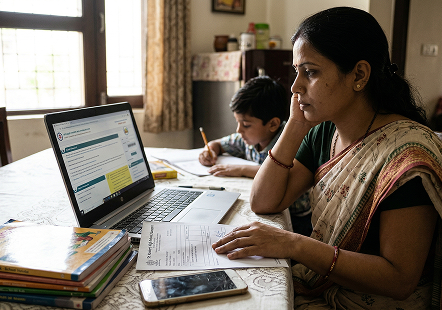
A life expectancy calculator is an automated tool which helps
users to estimate their lifespan based on health, livelihood and genetics. Life expectancy in
India has improved significantly due to better healthcare, nutrition, vaccination, and economic
growth. With a steep rise in individual age bar the need for early retirement planning becomes
effective. Pertaining to healthy lifestyle habits, good nutrition, a stipulated diet, and sleep
control, people can not only destress themselves but also increase their life span. The
calculator helps individuals to accumulate a certain amount and wisely plan their finances. A
life expectancy calculator throws light on the age dimension, investment horizons, risk
management and practical way of living.
During the time of our parents, the average age of the Indian population used to be much less
compared to now.
With improvements in medical science and awareness, our life expectancy has gone up considerably. The process of
using a life expectancy calculator does not mean to know the very exact date of your death; however, it is about
being aware of yourself and ensuring that your retirement planning in India is viable.
In this blog, we will see what a life expectancy calculator actually is, understand the current
trends regarding
the life expectancy rate in India, and learn more about the healthy way of life that makes your years last
longer. So, let us begin!
What is a Life Expectancy Calculator?
A life expectancy calculator can be termed a scientific prediction of one's lifespan based on
extensive
analysis of the available information. Contrary to what you may think, this tool does not rely on mystical
calculations. In fact, the calculator uses statistical data from sources such as the Registrar General of
India (Sample Registration System), along with global health datasets from organisations like the World
Health Organisation.
The inputs provided to the calculator include one's age, health status, genetic traits, and
place of
residence, among others. Urban and rural differences in pollution, healthcare access, and lifestyle can lead
to variations in life expectancy.
Evolution of Life Expectancy in India
To look forward to your future, it's important to remember where you came from. For instance,
around the time
of independence, life expectancy in India was roughly in the low 30s. Now, fast-forward to the year 2026,
where the average life expectancy in India is approximately 70 years, based on recent government and global
health estimates.
Reasons for the Increase
The average age of Indians keeps growing because many infectious diseases that once caused
high mortality
have been significantly reduced through vaccination and public health improvements.
Improvement in Healthcare: Availability of vaccination drives and advanced hospitals
has meant that fewer people die of diseases.
Nutrition Education: More Indians are aware of the importance of balanced diets and
have moved away from the "food filler" mentality towards proper nutrition.
Economic Development: With economic growth, more Indians are able to provide themselves
with adequate living standards and healthcare check-ups.
Nevertheless, increased life expectancy in India comes with a new problem. While we are not
losing as many
citizens to infections as before, there is an increasing burden of non-communicable diseases such as
diabetes and cardiovascular conditions. Therefore, you should use a life expectancy calculator to remind you
of the need to take care of yourself.
Habits That Affect Life Expectancy
Where genetics counts for something, most of your life expectancy calculator score comes down
to you. The
little things that happen now can make a big difference later.
Health-Promoting Practices
You've heard that good food and exercise will make a difference, but did you realise just
what an impact this
makes on the equation?
Physical Exercise: Thirty minutes a day of walking does a world of good in reducing the
chances of chronic illness.
Tobacco and Alcohol Consumption: The biggest detractors from any life expectancy
calculator are tobacco and alcohol. This is also true for Indians.
Sleeping: During sleep, the body recovers. If you neglect it, you are basically
ignoring the fact that the body needs its maintenance work done.
Mental Well-Being
Finally, in India, there has been increasing awareness around stress and mental health.
Stressful corporate
work environments in cities like Gurugram and Bengaluru can cause problems. When cortisol levels increase
due to chronic stress, the immune system and heart become weak. When using the life expectancy calculator,
one should always bear in mind that a peaceful mind will give you a long life.
Significance of Life Expectancy in Retirement Planning in India
For example, if a life expectancy calculator estimates a lifespan of 85 years, but financial
planning was
done until the age of 70, then there is a gap of 15 years. This is the reason behind the significance of
life expectancy in retirement planning India.
The Cost of Living Long
Inflation is real in India. The cost of hospitalisation or simply buying groceries is going
to be
substantially higher in the coming 20 years. In case the average life expectancy of Indians goes up, then
you need to plan for a longer retirement corpus.
Health Insurance: When you grow older, health care costs will take precedence.
Investment in Equities: If you want to outpace the rate of inflation, then many
investors consider allocating a portion of their portfolio to growth-oriented assets to manage inflation
risk.
Emergency Money: When you live longer, there are bound to be some unforeseen
situations. It is important to have emergency cash.
How to Maximise the Life Expectancy Calculator
When using the life expectancy calculator, you need to be completely honest with yourself.
Smoking: You need to consider any smoking habits, even if you indulge only socially.
Numbers: It is important that you know your body well and have your blood pressure and
glucose level handy.
Family History: Consider your genetic history and whether your grandparents lived until
their 90s.
Comparison: Life Expectancy by Gender in India
In India, like the rest of the world, women tend to live longer than men. Here is a quick
look at the current
estimates for 2026:
Category
Estimated Life Expectancy
Main Factor
Indian Males
69.5-70.5 Years
Higher tobacco use and occupational stress
Indian Females
72.5-73.5 Years
Biological advantage and lower risk behaviors
Conclusion
Having the answer to how long I will live is not something to be afraid of. Rather, it is a
motivator. Be it
a high figure or a low figure, the life expectancy calculator acts as an eye-opener. It is fortunate for us
to be living in an era when life expectancy is increasing in India. However, having extra years in our lives
can only be fruitful if we are able to enjoy those years through good health and financial security.
Take out some time to assess your healthy habits and start a SIP for retirement planning in
India. Most
importantly, don't forget that while the average age of Indians can be a mere statistic, your life story is
yet to unfold.
Life expectancy calculators provide estimates based on statistical averages.
While they are useful for planning, they cannot predict an individual’s exact lifespan.
Q. What makes life in a place like Delhi or Mumbai shorten my life?
Pollution is one reason, and so is noise and stress. On the other hand, urban
areas offer better chances for getting access to urgent life-saving medical assistance, which
can sometimes offset other risks.
Q. Is it too late to extend my life expectancy once I turn 50?
Not necessarily! Adopting healthier lifestyles even after turning 50 or 60 years
old - such as stopping smoking or exercising more regularly - can considerably increase your
life expectancy in India.
Q. How does a life expectancy calculator help me?
This calculator will give you an estimate of your 'time horizon' in life
expectancy India: if your expected date of death is around the age of 90, then your time horizon
would be considerably extended compared to someone with a shorter estimated lifespan.



 05 Oct 2026