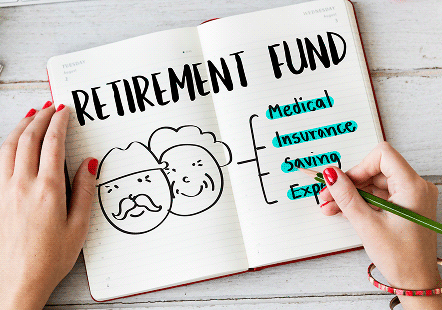
The FIRE Movement is a personal finance approach where a person aims to become financially
independent and then retire early from full-time work. It is not a government scheme, and it is not a legal
retirement category in India. It is a self-planned goal. The idea is simple. Save a high portion of income,
invest with discipline, and build a corpus that can support living costs for many years.
In India, the FIRE (Financial Independence, Retire Early) Movement has gained attention because
many people want more control over their time. Some want to leave high-stress jobs earlier. Some want to switch
to lower-paying work, freelancing, or social work without financial pressure. This is often called financial
independence, even if a person does not fully stop working.
This article explains the FIRE Movement in plain language for an Indian audience. It uses
official sources for all India-specific facts, including regulators and government-backed retirement and savings
systems. It does not assume any guaranteed return, because market returns are not guaranteed.
What Financial Independence Means In India
In practical terms, financial independence means you can meet regular expenses without
depending on a salary. In the FIRE Movement, this usually means having a mix of assets that can provide cash
flow and long-term growth.
In India, it also means planning for costs that often rise with age, such as healthcare. It
means planning for family responsibilities that are common here, such as support for parents, children's
education, and housing.
A key point for Indian readers is this. The FIRE Movement is not about a single product. It
is about building a system using regulated financial products and clear rules.
Why Early Retirement Needs A Different Plan Than Normal Retirement
Standard retirement planning often assumes you will work until a typical retirement age and
then use a provident fund, pension benefits, and savings.
Early retirement changes the timeline. You may need income for a longer period. You may not
have employer-supported benefits for as long. You may also have to manage health insurance on your own.
This is why the FIRE Movement needs a stronger focus on:
- Liquidity for emergencies.
- Protection against big health expenses.
- Tax planning across many years.
- A withdrawal plan that does not exhaust the corpus too early.
Step One: Build A Clear Expense And Corpus Estimate
The FIRE Movement starts with clarity on spending. Without this, the plan becomes guesswork.
Track Current Spending
Track essential monthly costs such as rent, groceries, utilities, transport, school fees, and
medical costs. Separate them from discretionary costs.
Add Buffers For Inflation And Unplanned Costs
Inflation affects the cost of living. Medical expenses can rise sharply. A realistic plan
needs buffers, not perfect predictions.
Decide What "Retire" Means For You
In the FIRE Movement, retiring early can mean:
- Leaving a corporate job and doing part-time work.
- Taking a long break.
- Starting a small business.
- Moving to a lower-cost city.
The corpus requirement changes based on this choice.
Step Two: Keep Your Base Money Safe And Accessible
Before higher-risk investing, the FIRE Movement needs a strong safety layer.
Use Regulated Bank Accounts And Deposits
Banks are regulated by the Reserve Bank of India. For consumer protection and complaint
handling, RBI has an official Complaint Management System and an Ombudsman framework for eligible
complaints.
Understand Deposit Insurance
The Deposit Insurance and Credit Guarantee Corporation insures deposits in insured banks up
to the coverage limit specified by DICGC, subject to its rules. This is a key safety point for emergency
funds.
A simple practice is to keep emergency money in instruments you can access quickly and to
avoid locking all short-term money in long-term products.
Step Three: Manage Life And Health Risk First
In India, one hospital bill can disrupt years of savings. A realistic FIRE (Financial
Independence, Retire Early) Movement plan treats insurance as a core requirement, not an optional add-on.
Health Insurance And Policy Servicing
Insurance is regulated by the Insurance Regulatory and Development Authority of India. Policy
terms, exclusions, and claim procedures matter more than marketing messages. Always rely on the policy
document and official insurer disclosures.
Avoid Misunderstanding Insurance As Investment
Many insurance products combine savings and protection, but the structure and costs differ
across products. If your goal is financial independence, you should clearly separate protection needs from
long-term investing needs.
This is not an anti-insurance view. It is a risk management view that supports the FIRE
Movement.
Step Four: Use Government-Backed Retirement And Savings Foundations
India has several long-term savings systems backed by law and official rules. These are often
the stable core of an Indian FIRE Movement plan.
-
Employees' Provident Fund Organisation For Salaried Workers
If you are in a covered establishment, EPFO administers provident fund services. EPFO
provides member services through its official portals. Checking your EPF passbook and ensuring KYC
is updated reduces claim delays later.
EPF is not designed for frequent withdrawals. It is long-term. For the FIRE Movement,
EPF is useful because it builds retirement money automatically through payroll discipline.
-
National Pension System Under PFRDA
The National Pension System is regulated by the Pension Fund Regulatory and
Development Authority under the PFRDA Act, 2013. NPS is a defined contribution pension system. Your
retirement wealth depends on contributions and market-linked performance within the regulated
framework.
PFRDA issues rules for exits and withdrawals. NPS has restrictions because it is
designed for retirement. At exit, annuity purchase requirements and lump sum rules apply as per the
notified regulations.
In the FIRE (Financial Independence, Retire Early) Movement, NPS can be useful for
long-term retirement security, but it may not be the best source for early retirement cash flow
because withdrawals are regulated.
-
Public Provident Fund And Small Savings Schemes
Public Provident Fund and other small savings schemes are offered through India Post
and authorised banks under notified rules. These schemes have defined deposit limits, tenure rules,
and withdrawal conditions.
For early retirement planning, PPF can serve as a long-term stable component, while
other small savings products can support a predictable income based on eligibility, such as the
Senior Citizens Savings Scheme after you reach the eligible age.
The role of these schemes in the FIRE Movement is stability and structure. They can
reduce dependence on volatile assets.
Step Five: Use Market Investments Only Through Regulated Channels
To retire early, many people need growth-oriented assets. Market risk cannot be removed, but
it can be managed. In India, the securities market is regulated by the Securities and Exchange Board of
India.
SEBI regulates intermediaries such as stock brokers, mutual funds, and investment advisers
under its laws and regulations. SEBI also provides investor education resources and a complaint portal
called SCORES.
A basic rule for the FIRE Movement is this. Only use SEBI-registered and regulated
intermediaries. Verify registration using official SEBI resources.
Understand That Returns Are Not Guaranteed
Market-linked products can rise and fall. This is true even when the product is regulated.
Regulation improves disclosure and conduct standards. It does not promise outcomes.
Step Six: Consider Direct Government Securities For Predictable Timelines
If you want exposure to Government of India securities, the Reserve Bank of India provides a
platform called RBI Retail Direct for individual investors. Through this platform, eligible retail investors
can access government securities as per the RBI's framework.
This can support the FIRE Movement in the years close to retirement when you want predictable
maturity dates. A key practical point is that the market price of a security can change if you sell before
maturity. Planning is easier when maturities are matched to your future cash needs.
Step Seven: Plan Taxes As a Long-Term Cost
Tax planning is part of the FIRE movement because early retirees may rely on investment
income for decades.
In India, tax rules come from the Income Tax Act, 1961 and related rules. The Income Tax
Department provides official guidance and services on its portal.
Important points to remember:
- Interest income from deposits is generally taxable, subject to the Act.
- Capital gains are taxed as per the Act, with rules depending on asset type and holding period.
- Deductions and exemptions depend on the tax regime you choose, subject to the Act and notified rules.
Because tax law changes over time, the safest approach is to rely on the Income Tax
Department portal and the Act text for the year in which you file.
Step Eight: Build A Withdrawal Plan Before You Quit Your Job
Many plans focus only on building the corpus. The withdrawal stage is where early retirement
can fail.
A practical withdrawal plan usually includes:
- A cash buffer for near-term spending.
- A stable income layer for the next few years.
- A growth layer for later years.
This structure reduces the need to sell volatile assets during a market fall. It also helps
you manage sequence risk, meaning poor returns in the early years of retirement when withdrawals start.
In India, also remember product-specific rules. NPS withdrawals follow PFRDA regulations. EPF
withdrawals follow EPFO rules and processes. Small savings products have their own maturity and withdrawal
rules.
This is where the FIRE (Financial Independence, Retire Early) Movement becomes practical. It
is not just motivation. It is a set of rules you follow.
Step Nine: Keep Documentation And Nominations Updated
Early retirement planning requires clean records. A delay in settlement can create real
hardship.
Do these basic checks:
- Keep nominations updated in EPF and NPS and in bank accounts, as applicable.
- Keep KYC consistent across financial accounts.
- Save annual statements and contribution proofs.
- Use official grievance portals if credits or service history are missing.
EPFO provides EPFiGMS for grievances. SEBI provides SCORES for investor complaints. RBI has
its complaint system for regulated entities. Using official channels is part of safe financial behaviour in
the FIRE movement.
Conclusion
The FIRE (Financial Independence, Retire Early) Movement is a personal finance approach
focused on financial independence and the option to retire early. If you keep the plan simple, documented,
and rule-based, the FIRE Movement becomes a practical life strategy, not a social media trend.



 05 Oct 2026