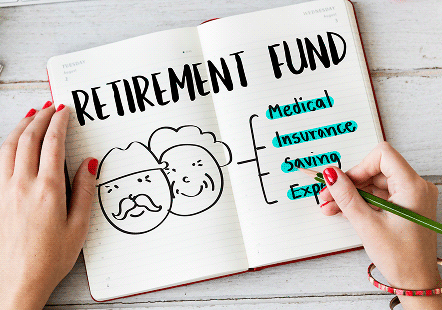
What is Long-Term Care Planning?
Long-term care planning is the process of preparing for the support and care you may need later in life due to ageing, illness, injury, or disability. These services can include:
- Needing help with regular activities such as bathing, eating, and dressing.
- Requiring medical help at home or at a facility.
- Rehabilitation and therapy.
- Nursing care due to old age.
Why Long-Term Care Planning Is Important?
You should not assume that family savings or support alone will be enough to meet future care needs. Long-term care can be expensive, and the costs may increase significantly over time. Planning early can help you prepare for these expenses and reduce financial stress later in life. Here are some key reasons to start planning early:
- Rising healthcare costs: Medical treatments, caregiving services, and long-term care can become more expensive over time.
- Longer life expectancy: Living longer may increase the likelihood of needing medical or personal care in later years.
- Changing family circumstances: Family members may not always be available to provide full-time care or financial support.
- Limited government assistance: Government healthcare and support programmes may not cover all long-term care expenses.
Types of Long-Term Care Services
Before choosing long-term care services for elderly, it is important to understand the different types of care that can be availed. Here are a few options:
- Home Care: Care provided at home by nurses or caregivers. It helps seniors with daily activities and also provides basic medical support.
- Assisted Living: Support with daily tasks when needed, while still allowing seniors to live independently in a safe environment.
- Nursing Homes: Ideal for extensive supervision that may not be provided at home due to serious issues.
- Adult Day Care: Provides care, supervision, and social activities for seniors during the day, while they return home in the evening.
Costs of Long-Term Care and When Should You Start Planning?
The cost of long-term care depends on the type of service, duration of care, and location, with urban areas typically having higher expenses. Here are a few common expenses:
- Home healthcare services
- Nursing facility charges
- Medical equipment and medications
It is never too early to plan for long-term care. The best time to start is during your working years, so you can prepare financially and choose the right options in advance. Here are the benefits of planning early:
- Building enough savings to be able to afford comprehensive care if required.
- Exploring and choosing insurance options that align with your investments.
- Making decisions based on family history of illnesses and/or prior medical history.
Long-Term Care Coverage in India
In India, long-term care needs are generally managed through a combination of comprehensive health insurance plans, senior citizen policies, and select riders that may offer partial financial support.
These options can help cover hospitalisation and certain medical expenses related to ageing, thereby reducing the financial burden on families. They also provide added financial security and peace of mind during retirement. However, most health insurance plans focus on medical treatment and hospitalisation, and do not fully extend to non-medical support such as daily living assistance, long-term custodial care, or extended rehabilitation needs.
Building a Financial Plan for Long-Term Care
A strong financial plan helps you prepare for future healthcare and long-term care needs without financial stress. It ensures that you have enough resources to manage medical and personal care expenses later in life. Key elements of a financial plan include:
- Your savings and investments and how they can support future care needs.
- Personal assets such as property, gold, fixed deposits, or other investments that can be used if required.
- Insurance coverage and how much of long-term care expenses it can handle.
- Regular income sources like pension plans or retirement funds.
- Annuities that provide a steady and guaranteed income during retirement.
- An emergency fund for unexpected medical or care expenses.
Government Support and Schemes
In India, schemes like the National Programme for Health Care of the Elderly (NPHCE) and Ayushman Bharat (PM-JAY) provide support for hospitalisation and basic healthcare needs. However, they do not fully cover long-term care expenses, so personal financial planning remains essential.
Estate Planning and Legal Preparation
Legal planning ensures that your financial and medical decisions are handled according to your wishes if you are unable to make them yourself. Important steps include:
- Writing a will to clearly define how your assets will be distributed.
- Assigning power of attorney to a trusted person for financial and legal decisions.
- Creating an advanced medical directive to guide healthcare decisions.
Tips for Effective Long-Term Care Planning
Long-term care planning is most effective when it starts early and is regularly updated. Along with financial preparation, it also involves making lifestyle decisions and understanding how rising costs can affect future care needs. Here are some useful tips for better planning:
- Start your planning early and estimate future care expenses.
- Review and update your financial and insurance plans regularly.
- Stay aware of rising healthcare and medical costs.
- Communicate your care preferences clearly with your family.
Apart from financial planning, long-term care also involves important lifestyle and emotional decisions. These choices can affect your comfort and quality of life in later years.
- Where you would prefer to live in the future
- The type of care or support you may need
- The level of independence you want to maintain
- The kind of care environment that feels most comfortable
Another important factor is inflation. Healthcare costs are rising every year, which can significantly impact long-term care planning. This means that the cost of care in the future may be much higher than it is today, and your savings and investments need to keep pace with these rising expenses.
Conclusion
Long-term care planning is often ignored during retirement planning, but it is very important. Healthcare needs can change with age, and having a proper plan ensures you get the right care without depending too much on others financially.
Starting early gives you enough time to explore financial options, build a strong financial and legal plan, and set aside funds for future care needs. Even if it feels unnecessary in the beginning, early planning can make a big difference when the need arises later in life.




 05 Oct 2026