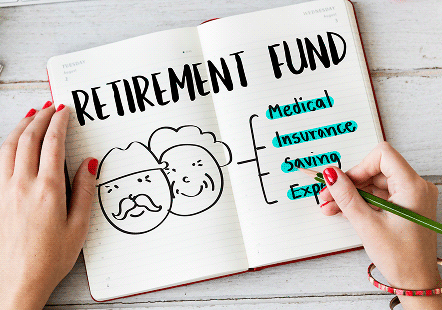
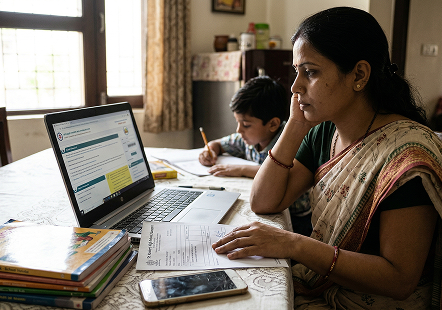
Retirement in India is entering a quiet but powerful transformation. For decades, most people
imagined their later years spent within the comfort of family homes, surrounded by children and grandchildren,
and marked by routine simplicity. That picture is now changing. Urbanisation, nuclear families, global mobility,
and rising life expectancy are reshaping what it means to grow old in India. More and more individuals in their
50s and 60s are beginning to plan their later years differently.
They are looking for comfort, community, and care, but without sacrificing independence. They
want to live active, purposeful lives instead of simply waiting for time to pass. This desire has given rise to
a concept that blends the warmth of companionship with the assurance of support: senior citizen community
living.
What was once considered a western idea has found strong roots in India. These communities are
redefining how Indians approach ageing, turning
retirement into a phase of renewal rather than retreat.
What Is Senior Citizen Community Living?
Senior citizen community living refers to residential spaces thoughtfully designed for
individuals aged 55 and above. These are not old-age homes in the traditional sense. They are fully serviced
communities where residents live independently or semi-independently, supported by professional care,
safety, and an active social environment.
Each community is managed by specialised operators who handle day-to-day services such as
housekeeping, dining, maintenance, and emergency response. Residents can either own, lease, or rent homes
within the community, which often includes landscaped gardens, fitness centres, libraries, and spaces for
art, meditation, and wellness.
Projects have set new benchmarks with their focus on holistic living, combining
hospitality-level comfort with healthcare and security. Projects have introduced tiered models that cater to
varying needs, from fully independent living to
assisted and memory care. Together, they are helping Indian seniors experience ageing with dignity, purpose,
and connection.
Why This Shift Is Happening
The growing acceptance of community living for seniors is the result of profound social and
economic shifts across the country.
-
Longer lifespans and healthier ageing
Medical progress, better nutrition, and greater health awareness have significantly
extended average life expectancy. Indians are not just living longer but are remaining active for
longer. This longevity creates the need for environments that promote health, social engagement, and
self-reliance, rather than dependence or isolation.
-
The changing family structure
India's traditional joint family system is giving way to nuclear households. Many
children live abroad or in distant cities for work, leaving older parents to manage alone. For them,
community living offers an ideal blend of independence and companionship. It allows seniors to live
life on their own terms while having reliable care and company close at hand.
-
A new mindset around ageing
Earlier generations often viewed senior homes with hesitation, associating them with
abandonment. Today's retirees, however, see them as lifestyle communities. They value comfort,
wellness, and meaningful engagement. They are financially more independent and prefer to make
proactive choices about how and where they age.
-
Integration of healthcare and daily living
Modern senior living projects integrate healthcare seamlessly into daily life.
On-site medical staff, regular check-ups, tie-ups with hospitals, physiotherapy sessions, and
wellness programs ensure that residents receive timely and continuous care. The focus is not only on
treating illness but on maintaining vitality and preventive wellness.
Challenges and Considerations
While the model offers numerous advantages, it is important to understand the challenges
before making a decision.
-
Cost and affordability
High-quality senior communities require significant investment. Depending on the
location and facilities, they may involve substantial entry costs or recurring maintenance fees.
Currently, most options cater to upper-middle and affluent segments, though more affordable models
are beginning to emerge.
-
Emotional transition
For many, leaving a long-time family home is emotionally challenging. The idea of
moving can initially feel uncomfortable or unfamiliar. The transition becomes smoother when planned
early and approached as a lifestyle upgrade rather than a last resort.
-
Limited geographic spread
Most organised senior living projects are concentrated in major urban centres such as
Delhi NCR, Bengaluru, Pune, and Chennai. Smaller towns, where many retirees prefer to stay, still
lack such facilities. Expanding access across India's tier-2 and tier-3 cities remains a major
opportunity for developers.
-
Family perception and acceptance
Even today, some families associate community living with neglect or abandonment.
Educating families about the difference between old-age homes and modern senior communities is
essential. These spaces are built on empowerment, not isolation.
A Redefinition of Ageing
Senior citizen community living represents more than a real estate trend. It signifies a
cultural redefinition of ageing in India. Instead of viewing retirement as the end of one chapter, it
presents it as the beginning of another. Communities are proving that seniors can live independently,
securely, and joyfully, surrounded by
like-minded peers and professional care.
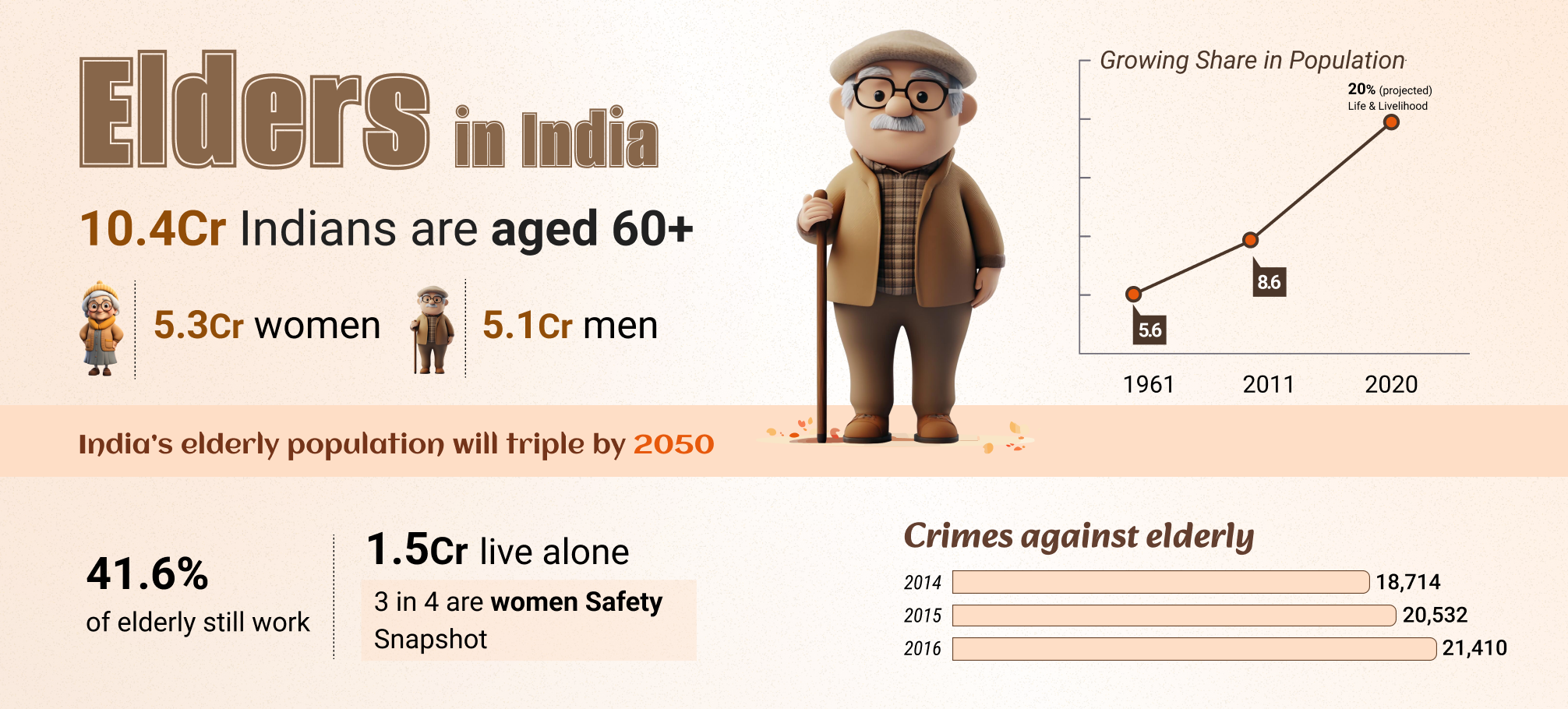
As India's ageing population grows, the need for such thoughtfully designed ecosystems will
expand rapidly. Policymakers, developers, and insurers are beginning to see senior living not as a niche but
as a vital part of the country's social and healthcare infrastructure.
For today's 55-plus generation, the message is clear: growing older does not have to mean
growing dependent. With the right community and care, retirement can be the most liberated and fulfilling
phase of life.





 05 Oct 2026