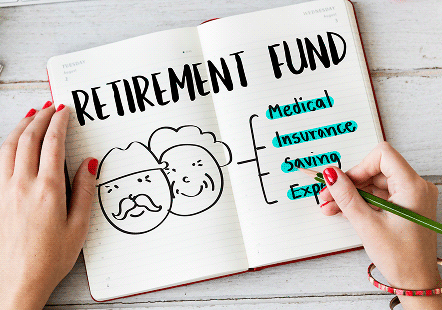
Health vs Wealth: Which is More Important in Retirement?

Health vs wealth in retirement is not a binary choice between physical well-being and financial stability, but a deeply interconnected balance vital for long-term security. While robust health ensures an active quality of life, independence, and lower medical expenses, accumulated wealth provides essential financial security, premium healthcare access, and peace of mind. Neglecting physical care leads to surging clinical costs that rapidly deplete savings, whereas financial anxiety conversely compromises mental and emotional well-being. A successful retirement strategy must therefore address both elements simultaneously by combining healthy lifestyle habits with early investments, comprehensive insurance, and structured long-term care provisions. Prioritising this equilibrium from an early stage allows individuals to effectively safeguard their post-work lifestyle.

Understanding Health vs Wealth in Retirement

Here's what health vs wealth means:

  • Health refers to an individual's overall physical, mental, and emotional well-being.
  • Wealth refers to an individual's financial stability, resources, and ability to manage expenses and future needs.

Many people tend to view health and wealth as competing priorities in retirement. In reality, they are deeply interconnected and should be built together rather than seen in opposition.

Good health can significantly reduce medical expenses and the need for frequent treatments, helping preserve financial resources over time. At the same time, strong financial health provides stability and peace of mind, reducing stress and enabling better overall well-being. Instead of treating them as a trade-off, it is important to understand how each supports the other and contributes to a more secure and fulfilling retirement.

Why Health Matters More Than You Think

Health is often overlooked by individuals until it transforms into a major medical need. Here is why health matters more than you think:

  1. Quality of Life: With good health, enjoying your retirement and travelling becomes possible, and you can pursue your hobbies and spend time with your loved ones.
  2. Independence: If an individual is healthy, they can take care of themselves and manage their daily activities without extra dependency on any help or medical aid.
  3. Lower Medical Expenses: Good health can reduce healthcare costs and help you retain your savings.

Why Wealth Still Plays a Crucial Role

If you are healthy, you cannot ignore your finances, as wealth can be used to support your health and improve it. Here are a few things to consider when understanding the health vs wealth debate:

  1. Financial Security: If you have savings and investments, you can take care of your personal needs and expenses without family help.
  2. Access to Quality Healthcare: If you accumulate wealth, you can get good-quality medical assistance whenever it is required.
  3. Peace of Mind: Financial security and stability can reduce stress and provide peace of mind, which improves well-being in the long run.

The Hidden Link Between Health and Wealth

Here is how understanding the connection between health and wealth can help you plan things better:

  • If your health is poor, it can lead to high medical expenses.
  • If you are financially stressed, it can affect your mental and physical health.
  • Ensure you make better lifestyle choices to have solid health while maintaining financial health.

How to Balance Health and Wealth

Balancing health vs wealth is essential in retirement planning because focusing on only one can create challenges later in life. Good health reduces medical expenses and supports an active lifestyle, while financial stability ensures you can afford quality healthcare and maintain independence. Both should be planned together to achieve long-term security and peace of mind.

To maintain this balance, it is important to adopt healthy habits along with strong financial planning. Small, consistent steps in both areas can make a significant difference over time.

  • Invest in health early: Maintain a healthy lifestyle with regular exercise, a balanced diet, and routine health check-ups to reduce future medical risks and expenses.
  • Build a retirement corpus: Start saving and investing early so you have enough financial security to support your retirement needs.
  • Get health insurance: Choose suitable health insurance to protect yourself from unexpected medical costs and reduce out-of-pocket expenses.
  • Plan for long-term care: Include possible future care needs in your financial planning to avoid financial stress later.
  • Maintain healthy financial habits: Save regularly, avoid unnecessary debt, and make careful investment decisions to stay financially stable.
  • Focus on mental well-being: Manage stress and maintain emotional health, as both financial pressure and health issues can impact overall quality of life.

Common Mistakes to Avoid

There are common mistakes individuals can make when it comes to health vs wealth. Here are a few of them:

  • Ignoring health and focusing only on wealth: Prioritising money while neglecting health can lead to higher medical expenses and reduced quality of life later.
  • Not choosing adequate health insurance: Without proper coverage, unexpected medical emergencies can create a heavy financial burden.
  • Underestimating healthcare costs: Many people do not account for rising medical inflation and long-term care expenses in retirement planning.
  • Delaying retirement planning: Starting late reduces the time available to build sufficient savings and financial security.
  • Ignoring regular health check-ups: Skipping preventive care can lead to undetected health issues and higher treatment costs later.
  • Not planning for emergencies: Lack of an emergency fund can force individuals to rely on savings or loans during unexpected situations.

Conclusion

Health and wealth should not be seen as a choice between one or the other. In retirement, both are equally important and work best when balanced together. Good health helps you enjoy life with fewer medical concerns, while financial stability ensures you can afford the care and lifestyle you need.

By focusing on both your well-being and finances from an early stage, you can build a secure and comfortable retirement. Starting early, staying consistent with savings, and maintaining a healthy lifestyle can help you lead a more independent, peaceful, and fulfilling life in later years.

FAQs

Health determines the quality of life, while wealth ensures financial security and access to proper healthcare. Both are equally important and should be balanced for a comfortable retirement.

Good health reduces the need for frequent medical treatments and helps maintain an active lifestyle, while poor health can increase expenses and put pressure on retirement savings.

Wealth provides financial stability, helps cover daily living expenses, and ensures access to quality healthcare and support services when needed.

Balancing both requires maintaining a healthy lifestyle along with consistent financial planning, savings, and insurance coverage without compromising either aspect.

Yes, health insurance helps manage medical expenses, reduces out-of-pocket costs, and protects retirement savings from unexpected healthcare needs.

It is best to start as early as possible, ideally during your working years, so you have enough time to build savings and maintain long-term health habits.

Yes, healthy lifestyle choices can reduce medical expenses, which helps preserve savings and improves overall financial stability in retirement.

faq-isolation

Explore more under Retirement Planing

NPS Swasthya Pension Scheme
Long-Term Care Planning
How Long Will Money Last in Retirement?
Hidden Impact of Lifestyle Inflation
Inflation Protection in Health Insurance
Best Annuity Plans for NRIs
Inlfation Impact on Retirement Savings and Planning
Best Tax Saving Instruments for Smart Tax Planning
Invest Your Money for High-Interest Returns
Sukanya Samriddhi Yojana
Roth IRA
The Hidden Costs of Inflation
The Importance of Retirement Planning
Elabharthi Pension Portal
Aging Population in India
Long-Term Care in India
Term and Health Insurance Combo
Top Guaranteed Return Plan Options in India for a Secure 2026
Short-Term Investment Plans for 3 Months
5 Golden Rules for Retirement Planning
Control Inflation in an Economy
Cost Inflation Index
What Is Inflation?
Immediate Annuity Plan
Financial Regulators
Tax-Free Investment Options for NRIs
The Fixed Deposit Playbook
ULIP Pension Plan
Joint Family System Breakdown
Senior Citizen Savings Scheme
Income Tax Rules for Gratuity Exemption
Income Tax Slab for Senior Citizen
Tax-Smart Withdrawal Strategy
RNOR Status
FATCA and retired Indians
Manage Your Finances After Retirement
Life Expectancy Calculator
FIRE (Financial Independence, Retire Early)
Medical Inflation in India
Gig Economy & Second Careers
Section 44AB
Section 80C vs 80CCC vs 80CCD vs 80D
Atal Pension Yojana
Section 5 vs Section 6 of MWPA
Family Pension
Annuity Method of Goodwill
Deferred Annuity Meaning
Impact of inflation on Pension
Guaranteed Period Annuity
Profitable Business Ideas After Retirement
10 Common Retirement Investment Mistakes to Avoid
Single Premium Pension Plan
Post Office Monthly Income Scheme
Inheritance Tax
Hindu Undivided Family
Tax Benefits on Health Insurance for Pensioners
How Senior Citizens Can Save Tax Beyond 80C
Best Investment Plan for Monthly Income
How to Get 25k Pension Per Month?
1 Crore Retirement Plan
Swatantrata Sainik Samman Pension Scheme
A Complete Guide to Defence Pension
Madhu Babu Pension Yojana
Difference Between PIO and OCI
Passive Income Ideas After Retirement for Senior Citizens
Best Investment Options for Senior Citizens in 2026
Viklang Pension Yojana
The 80 20 Rule
How To Retire By 40?
Retirement Planning for Private Sector Employees
Beyond ESOPs
How to Manage Your Retirement Corpus Wealth
Maximising Your Retirement Planning & Options
Systematic Withdrawal Plans(SWP)
A Silent Retirement Crisis
Senior Citizen Community Living in India
Portfolio Diversification
Retirement Corpus Planning
Retirement Planning Under the Old & New Tax Regime
Why Thinking Beyond FDs Is Important?
Wealth Creation and Legacy Planning
article

calender-icon 08 Jul 2026

NPS Swasthya Pension Scheme

NPS Swasthya Pension Scheme is a revolutionary initiative recently introduc...

article

calender-icon 07 Jul 2026

Long-Term Care Planning

Long-term care planning constitutes a critical dimension of comprehensive retirement preparation tha...

article

calender-icon 07 Jul 2026

How Long Will Money Last in Retirement?

How long will money last in retirement is an essential question that direct...

article

calender-icon 07 Jul 2026

Hidden Impact of Lifestyle Inflation

Lifestyle inflation refers to the persistent tendency to increase discretionary spending at the exac...

article

calender-icon 07 Jul 2026

Inflation Protection in Health Insurance

Inflation protection in health insurance helps policyholders maintain adequ...

article

calender-icon 06 Jul 2026

Best Annuity Plans for NRIs

Best annuity plan in India options are increasingly becoming the cornerstone of retirement planning ...