Joy Bangla Pension

Joy Bangla Pension, also called Jai Bangla Pension Scheme, is a comprehensive social security initiative launched by the Government of West Bengal to provide guaranteed financial assistance to the state's most vulnerable populations. The government recognises that elderly citizens, widows, persons with severe disabilities, and marginalised communities often face extreme economic distress. To give a solution for this problem, this unified platform brings together multiple welfare initiatives into a single streamlined system. By consolidating various sub-initiatives like the Taposili Bandhu and Jai Johar, the Joy Bangla scheme ensures that eligible individuals from Scheduled Castes, Scheduled Tribes, and below poverty line households receive a direct, fixed monthly income to support their basic needs.

Quick Facts: Joy Bangla Pension

Feature Details
Scheme Name Joy Bangla Pension
State West Bengal
Monthly Pension Amount ₹1,000 (Uniform across most categories)
Target Beneficiaries SC/ST, Senior Citizens, Widows, Persons with Disabilities
Payment Mode Direct Benefit Transfer
Application Mode Offline (Form P at BDO offices or Duare Sarkar camps)
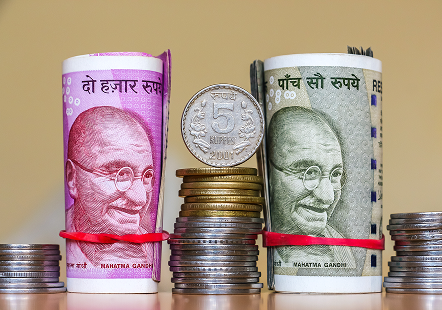
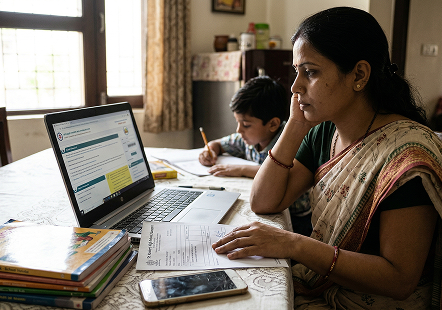
Different money approch Elders in India

What is the Joy Bangla Scheme?

The Joy Bangla scheme is not a single isolated policy. It is a massive umbrella platform that merges 11 different state-funded welfare programmes under one administrative roof. Before this consolidation, tracking applications and disbursing funds across various departments was chaotic. By unifying these programmes into the Joy Bangla Pension framework, the West Bengal government has drastically improved the speed and transparency of direct bank transfers to over 82 lakh beneficiaries.

The core promise of the Joy Bangla Pension is a uniform payout. Regardless of which specific category you fall under, approved beneficiaries receive a fixed amount of ₹1,000 per month sent directly to their Aadhaar linked bank accounts.

Major Categories Under the Joy Bangla Pension

When you apply for the Joy Bangla Pension, you must select the specific sub-category that matches your demographic. Here are the most prominent categories operating under this unified platform:

Initiative Name Target Beneficiary Group Monthly Payout
WCD Old Age Pension General Senior Citizens (60+ years) ₹1,000
Taposili Bandhu Scheduled Caste (SC) Senior Citizens (60+ years) ₹1,000
Jai Johar Scheduled Tribe (ST) Senior Citizens (60+ years) ₹1,000
Manabik Scheme Persons with Disabilities (55+ years) ₹1,000
WCD Widow Pension Widows (18+ years) ₹1,000

Note: The Joy Bangla scheme also covers specific occupational groups like folk artists, handloom weavers, and fishermen, ensuring comprehensive social security for the unorganised sector.

Joy Bangla Old Age Pension Eligibility Criteria

The most popular component of this platform is the Joy Bangla old age pension. To successfully secure this monthly payout, applicants must satisfy the following set of strict administrative and financial conditions:

  • Age Requirement: The applicant must be at least 60 years old. For persons applying under the disability category, the age limit is relaxed to 55 years.
  • Residency: The applicant must be an Indian citizen and a permanent resident of West Bengal for at least 10 consecutive years.
  • Financial Status: The applicant must belong to a Below Poverty Line (BPL) household. The total personal income of the applicant must not exceed ₹1,000 per month.
  • Exclusions: If you are already receiving any other social security pension from the central or state government, you cannot claim the Joy Bangla old age pension.

Documents Required to Enroll in the Joy Bangla Scheme

Having the essential documents is the most important step to be eligible for the Joy Bangla scheme. Missing documentation is the leading cause of application rejection, so make sure you carry physical copies of the following documents to the local block office:

  • Aadhaar Card (Mandatory for biometric verification)
  • Voter ID Card or Ration Card (Proof of West Bengal residency)
  • Caste Certificate (Required only if applying for Taposili Bandhu or Jai Johar)
  • Income Certificate (Issued by a competent local authority)
  • Bank Passbook (First page showing the account number and IFSC code for DBT)
  • Two recent passport sized photographs

How to Apply for the Joy Bangla Pension

Currently, the government has not enabled full online registration for new applicants. You must complete the application process offline using a specific physical document known as "Form P".

  1. Obtain the Form: You can download Form P directly from the official portal or collect a free physical copy from your nearest Block Development Office, Sub Divisional Office, or a local municipal office.
  2. Fill the Details: Fill out the form meticulously in English block letters. Ensure you tick the correct sub-category (like Taposili Bandhu or Widow Pension) at the top of the form.
  3. Attach Documents: Self attest all the required document photocopies and attach them to the form along with your photographs.
  4. Submit the Application: You can submit the completed file at your BDO/SDO office. For the fastest processing, submit your application at a "Duare Sarkar" camp when one is active in your district, as officials verify documents on the spot.
  5. Collect Acknowledgement: Do not leave without your official acknowledgement receipt. This receipt contains your unique tracking number.

How to Check Your Joy Bangla Status Online

Once you have submitted your paperwork, you can track the approval process digitally. Tracking your Joy Bangla status ensures you are aware of any document mismatches that might require your immediate attention.

  1. Visit the Portal: Open your web browser and navigate to the official unified portal.
  2. Locate the Tracking Tool: On the homepage, look for the 'Beneficiary Search' or 'Track Application' option.
  3. Enter Your Details: You will be prompted to input your unique application ID (from your acknowledgement receipt), your registered mobile number, or your Aadhaar number.
  4. View the Result: Click submit to view your current Joy Bangla status. The screen will display whether your application is pending at the block level, officially approved, or if your monthly payment has been disbursed.

Conclusion

The Joy Bangla Pension operates as a vital economic lifeline for millions of vulnerable individuals across West Bengal. By consolidating multiple fragmented welfare programmes into a single, highly efficient Direct Benefit Transfer system, the state government has ensured that financial aid reaches those who need it most without bureaucratic delays.

Whether you are a senior citizen seeking the Joy Bangla old age pension or a disabled individual applying for the Manabik scheme, this monthly ₹1,000 payout provides the dignity and stability required to manage daily expenses. By meticulously gathering your documents, applying through the correct local channels, and regularly monitoring your Joy Bangla status online, you can secure this guaranteed financial safety net for your future.

FAQs

Beneficiaries approved under the Joy Bangla old age pension receive a fixed, guaranteed payout of ₹1,000 per month. This uniform amount is standard across almost all sub-categories within the Joy Bangla scheme, including the Taposili Bandhu, Jai Johar, and the Widow Pension programmes.

Both of these are sub-initiatives operating under the broader Joy Bangla scheme. The Taposili Bandhu programme is exclusively designed to provide a monthly pension to senior citizens belonging to the Scheduled Caste (SC) community. The Jai Johar programme provides the exact same monthly financial benefits but is strictly reserved for senior citizens belonging to the Scheduled Tribe (ST) community.

No, the initial registration process cannot be completed entirely online. While you can download the mandatory application form (Form P) from the official portal, you must fill it out physically and submit it along with hard copies of your supporting documents to your local Block Development Office (BDO), Sub Divisional Office (SDO), or a local Duare Sarkar camp for manual verification.

If your Joy Bangla status indicates a rejection, it is almost always due to a documentation error, such as an Aadhaar name mismatch, an invalid bank account, or an income certificate that exceeds the BPL limits. You must visit your local BDO or Gram Panchayat office with your original documents to identify the exact discrepancy, rectify the error, and submit a fresh application.

Form P is the official, unified physical application form used to enrol in the Joy Bangla Pension scheme. You can download this application form for free from the official West Bengal state welfare portal or collect a physical copy from local municipal, block, or Sub-Divisional offices.

The approval process typically takes between four to eight weeks after submission. However, processing times are significantly faster if you submit your completed Form P at an active local Duare Sarkar camp, where on-the-spot document verification and instant digital upload by officers streamline the administrative workflow.

No, you cannot. The scheme guidelines strictly prohibit dual pension benefits. If you currently receive any financial aid or social security pension from either the central government or another West Bengal state initiative, your Joy Bangla application will be automatically rejected during the verification process.

To remain eligible, you must be a permanent resident of West Bengal. If a beneficiary permanently relocates to another state, they will fail the periodic physical or digital verification checks. Consequently, their Joy Bangla pension account will be marked inactive and the monthly disbursements suspended.

faq-isolation

Explore more under Retirement Planing

Old Age Pension
Widow Pension
Government Pension Schemes
Mukhyamantri Vridhjan Pension Yojana
Aasara Pension
Saral Pension Scheme
Pradhan Mantri Kisan Mandhan Yojana
Health vs Wealth
Long-Term Care Planning
How Long Will Money Last in Retirement?
Hidden Impact of Lifestyle Inflation
Inflation Protection in Health Insurance
Best Annuity Plans for NRIs
Inlfation Impact on Retirement Savings and Planning
Best Tax Saving Instruments for Smart Tax Planning
Invest Your Money for High-Interest Returns
Sukanya Samriddhi Yojana
Roth IRA
The Hidden Costs of Inflation
The Importance of Retirement Planning
Elabharthi Pension Portal
Aging Population in India
Long-Term Care in India
Term and Health Insurance Combo
Top Guaranteed Return Plan Options in India for a Secure 2026
Short-Term Investment Plans for 3 Months
5 Golden Rules for Retirement Planning
Control Inflation in an Economy
Cost Inflation Index
What Is Inflation?
Immediate Annuity Plan
Financial Regulators
Tax-Free Investment Options for NRIs
The Fixed Deposit Playbook
ULIP Pension Plan
Joint Family System Breakdown
Senior Citizen Savings Scheme
Income Tax Rules for Gratuity Exemption
Income Tax Slab for Senior Citizen
Tax-Smart Withdrawal Strategy
RNOR Status
FATCA and retired Indians
Manage Your Finances After Retirement
Life Expectancy Calculator
FIRE (Financial Independence, Retire Early)
Medical Inflation in India
Gig Economy & Second Careers
Section 44AB
Section 80C vs 80CCC vs 80CCD vs 80D
Atal Pension Yojana
Section 5 vs Section 6 of MWPA
Family Pension
Annuity Method of Goodwill
Deferred Annuity Meaning
Impact of inflation on Pension
Guaranteed Period Annuity
Profitable Business Ideas After Retirement
10 Common Retirement Investment Mistakes to Avoid
Single Premium Pension Plan
Post Office Monthly Income Scheme
Inheritance Tax
Hindu Undivided Family
Tax Benefits on Health Insurance for Pensioners
How Senior Citizens Can Save Tax Beyond 80C
Best Investment Plan for Monthly Income
How to Get 25k Pension Per Month?
1 Crore Retirement Plan
Swatantrata Sainik Samman Pension Scheme
A Complete Guide to Defence Pension
Madhu Babu Pension Yojana
Difference Between PIO and OCI
Passive Income Ideas After Retirement for Senior Citizens
Best Investment Options for Senior Citizens in 2026
Viklang Pension Yojana
The 80 20 Rule
How To Retire By 40?
Retirement Planning for Private Sector Employees
Beyond ESOPs
How to Manage Your Retirement Corpus Wealth
Maximising Your Retirement Planning & Options
Systematic Withdrawal Plans(SWP)
A Silent Retirement Crisis
Senior Citizen Community Living in India
Portfolio Diversification
Retirement Corpus Planning
Retirement Planning Under the Old & New Tax Regime
Why Thinking Beyond FDs Is Important?
Wealth Creation and Legacy Planning
article

calender-icon 31 Jul 2026

NPS Vatsalya Tax Benefits

NPS Vatsalya tax benefits provide parents and legal guardians with an effective mechanism to lower t...

article

calender-icon 31 Jul 2026

NPS Vatsalya Interest Rate

NPS Vatsalya interest rate is a frequent query for parents seeking long-term financial security for ...

article

calender-icon 30 Jul 2026

Pradhan Mantri Shram Yogi Maandhan Yojana

Pradhan Mantri Shram Yogi Maandhan Yojana(PM-SYM) is a monumental social security initiative introdu...

article

calender-icon 28 Jul 2026

Old Pension Scheme 2026

The Old Pension Scheme is once again making headlines in 2026 as the government of India has made a ...

article

calender-icon 24 Jul 2026

Old Age Pension

Old Age Pension, also known as Vridha Pension, under the Indira Gandhi National Old Age Pension Sche...

article

calender-icon 22 Jul 2026

Widow Pension

Widow pension under the Indira Gandhi National Widow Pension Scheme (IGNWPS...